Columbia Gas | Pennsylvania
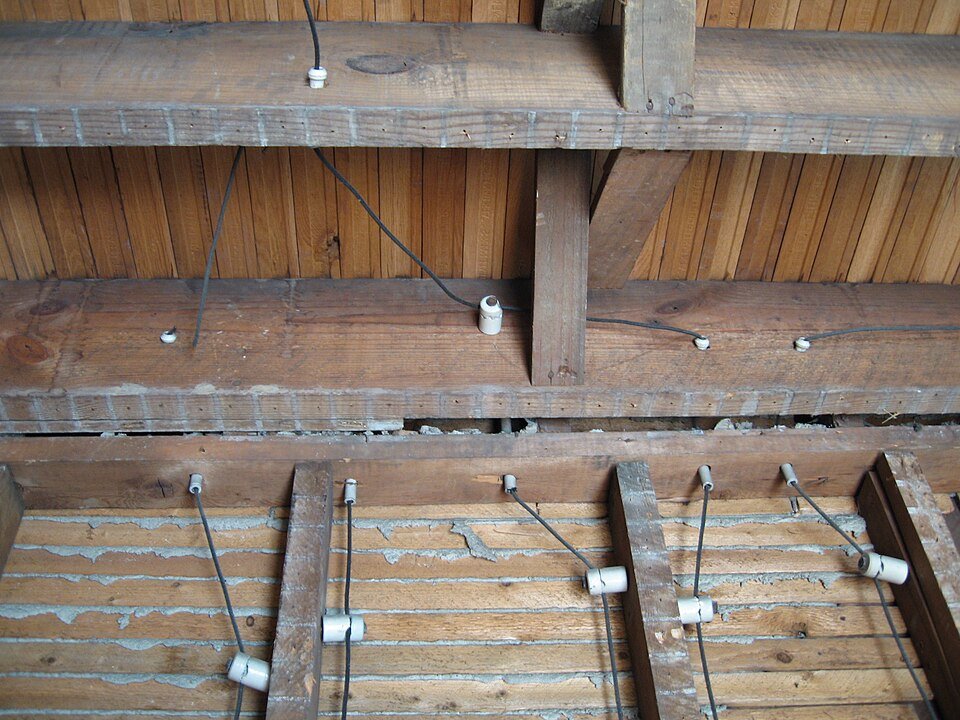
Columbia Gas of Pennsylvania engaged Green Energy Economics Group (GEEG) to evaluate its Health and Safety (H&S) Pilot Program, part of the Low-Income Usage Reduction Program (LIURP). The pilot addressed a persistent challenge in low-income weatherization: homes that cannot be weatherized due to existing health and safety issues, such as leaking roofs, knob-and-tube wiring, moisture, or mold. Under the traditional LIURP, contractors receive a $1,200 health and safety allowance per home. When needed repairs exceed that amount, projects are typically deferred, leaving some of the customers most in need without access to weatherization services.
The H&S Pilot gave contractors access to an additional remediation allowance for Customer Assistance Program (CAP) customers with high usage and a CAP shortfall greater than $1,000 per year whose homes were projected to achieve savings of more than 18% once the H&S barrier was addressed. After remediation, contractors installed the full suite of comprehensive LIURP measures.
GEEG evaluated program activity from January 2022 through September 2024. The team reviewed post-inspection reports, customer satisfaction surveys, project invoices, annual reports, and Columbia Gas's Universal Service and Energy Conservation Plan. GEEG also analyzed project-level spending, installed measures, and energy savings, comparing pilot outcomes with more than 1,000 traditional LIURP projects completed during the same period.
The evaluation found that the pilot achieved its primary goal of enabling weatherization for customers whose homes would otherwise have been deferred. In total, 115 households had health and safety barriers addressed, allowing contractors to proceed with weatherization. Roof repairs and knob-and-tube wiring removal accounted for 84% of the remediation measures and approximately 91% of remediation spending. These findings supported the pilot’s design assumptions about the most common barriers to weatherization.
The pilot also performed well in terms of energy savings. Using weather-normalized pre- and post-installation billing data, GEEG found median project savings and total population savings of 19%, exceeding the program’s 18% target. Savings improved each year as the pilot matured. By 2024, average savings per H&S project were 25% higher than those achieved by traditional LIURP projects. Although pilot homes had higher initial air leakage, they achieved a 37% reduction in air leakage (CFM50), compared with 20% for traditional LIURP homes. Pilot participants also had lower average household incomes than traditional LIURP participants, highlighting the pilot’s success in reaching customers who face greater barriers to weatherization services.
GEEG also identified opportunities to simplify program administration. The existing allocation formula used as many as 20 variables and set an average allocation of $10,287 per project. Actual remediation spending averaged $3,744, or just 36% of the allocated amount, and 98% of projects did not use the full allowance. After modeling several simplified alternatives, GEEG recommended a flat $7,500 per-home allowance, with a process for contractors to request additional funds for higher-cost projects. This approach would reduce administrative burden while giving contractors a more straightforward way to address projects with greater remediation needs.
Based on the evaluation findings, GEEG recommended continuing the H&S Pilot or incorporating its practices into the traditional LIURP as a standard program component. The pilot demonstrated that addressing health and safety barriers can help more low-income customers access weatherization services, reduce energy consumption, and improve household health, safety, and comfort. GEEG also recommended several improvements to program oversight and data collection, including collecting customer feedback during post-inspections and by email (the response rate to mailed surveys was approximately 2%), standardizing inspection outcomes across inspectors, and digitizing inspection data to improve tracking of contractor performance.